




Diwali 2026 Deepavali will be celebrated on Sunday, November 8, 2026, in India. The festival, also widely known as Deepavali, falls on the Amavasya (new moon) of the Kartik month in the Hindu lunisolar calendar. This date matters because it determines when families across India and the global diaspora will light diyas, perform Lakshmi Puja, exchange gifts, and gather with loved ones.



The main Diwali observance is the centerpiece of a five-day festival sequence that begins with Dhanteras and concludes with Bhai Dooj. Here is the complete calendar for Diwali 2026, along with the significance of each day and what celebrants can expect.
When Is Diwali 2026?
Diwali 2026 will be observed on Sunday, November 8, 2026, across India. This is the date recognized by official government holiday calendars, including those maintained by Indian government institutions and embassies.
The festival is called Deepavali in many parts of South India and in several diaspora communities, but the terms refer to the same celebration. The name derives from the Sanskrit words “deepa” (light) and “vali” (row or series), meaning “a row of lights” — a reference to the traditional practice of lining homes and streets with small oil lamps called diyas.
Diwali’s date changes each year because it is determined by the Hindu lunisolar calendar rather than the Gregorian calendar. The festival is celebrated on the Amavasya, or new moon night, of the Kartik month. In 2026, Kartik Amavasya aligns with November 8 in the Gregorian calendar.
Diwali 2026 Date and Day
| Detail | Information |
|---|---|
| Festival | Diwali / Deepavali |
| Year | 2026 |
| Date | November 8, 2026 |
| Day | Sunday |
| Main observance | Lakshmi Puja / Diwali |
| Lunar observance | Kartik Amavasya |
This table reflects the core information recognized by official Indian holiday listings and standard Panchang references.
Diwali 2026 5-Day Festival Calendar
Diwali is not a single-day event. The celebration unfolds over five days, each with its own rituals and regional variations. Here is the sequence for 2026.
Dhanteras 2026
Dhanteras, also called Dhantrayodashi, marks the beginning of the Diwali festival period. In 2026, Dhanteras will be observed on Friday, November 6. The name combines “dhan” (wealth) and “teras” (thirteenth day), referring to its position as the thirteenth day of the Krishna Paksha in the Kartik month.
Dhanteras is traditionally associated with the purchase of gold, silver, utensils, and new household items as a gesture of welcoming prosperity. Many families also perform a small puja honoring Dhanvantari, the divine physician, or Kubera, the deity of wealth. While Dhanteras is observed widely, purchasing practices and specific rituals vary by region and family.
Naraka Chaturdashi / Choti Diwali 2026
Naraka Chaturdashi, commonly called Choti Diwali, is the second day of the festival sequence. In 2026, it falls on Saturday, November 7 in most regions, based on the Chaturdashi tithi and prevailing Panchang calculations.
This day commemorates the victory of Krishna over the demon Narakasura, symbolizing the triumph of good over evil. Rituals often include an early morning oil bath (Abhyanga Snan), which is considered auspicious. In some communities, particularly in Maharashtra and Gujarat, the oil bath and related rituals are performed before sunrise.
Regional names and observances vary. In West Bengal, the day is known as Bhoot Chaturdashi, when lamps are lit to honor ancestors. In parts of South India, Naraka Chaturdashi may be celebrated on the same day as Diwali or observed separately depending on local tradition.
Diwali / Lakshmi Puja 2026
Sunday, November 8, 2026 is the main Diwali day and the occasion for Lakshmi Puja. On this evening, families clean and decorate their homes, light diyas, and perform rituals honoring Lakshmi, the goddess of wealth and prosperity, along with Ganesha, the remover of obstacles.
The Amavasya tithi in 2026 begins around the morning of November 8 and extends into November 9. The evening period is considered most auspicious for Lakshmi Puja, as it aligns with Pradosh Kaal, the time just after sunset.
Lakshmi Puja is performed both in homes and in businesses. Shopkeepers and merchants often open new account books on this day as part of the Chopda Pujan tradition in western India. The evening concludes with the lighting of diyas, fireworks in many communities, and the sharing of sweets among family members and neighbors.
Govardhan Puja 2026
Govardhan Puja is celebrated on Tuesday, November 10, 2026. This day honors Lord Krishna’s act of lifting the Govardhan Hill to protect the residents of Vrindavan from a devastating storm sent by Indra. It represents divine protection and the importance of humility.
The festival is known by different names across India. In Gujarat and parts of Rajasthan, it is called Annakut, and families prepare elaborate offerings of food. In Maharashtra, it is observed as Bali Pratipada, marking the return of King Bali. In some regions, the day focuses on the worship of cows and bulls, which are integral to agricultural life.
Bhai Dooj 2026
Bhai Dooj, the final day of the five-day festival sequence, falls on Wednesday, November 11, 2026. This day celebrates the bond between brothers and sisters. Sisters apply a tilak on their brothers’ foreheads, perform aarti, and pray for their well-being, while brothers offer gifts and pledge their protection.
The festival is known as Bhai Phonta in West Bengal, Bhau Beej in Maharashtra and Gujarat, and Yama Dwitiya in some regions. Each name reflects a shared theme: the enduring love and responsibility between siblings.
Diwali 2026 Five-Day Festival Calendar (Compact)
| Day | Festival | Date (2026) | Day of Week |
|---|---|---|---|
| 1 | Dhanteras | November 6 | Friday |
| 2 | Naraka Chaturdashi / Choti Diwali | November 7 | Saturday |
| 3 | Diwali / Lakshmi Puja | November 8 | Sunday |
| 4 | Govardhan Puja | November 10 | Tuesday |
| 5 | Bhai Dooj | November 11 | Wednesday |
Note: Some traditions observe Naraka Chaturdashi on November 8, coinciding with Diwali. The calendar above reflects the most commonly recognized sequence based on available Panchang references. Regional calendars may vary by one day for certain observances.
Why Does Diwali Fall on Different Dates Every Year?
The answer lies in the difference between two calendar systems. Diwali is calculated according to the Hindu lunisolar calendar, which tracks both the phases of the moon and the solar year. The Gregorian calendar, used for most civil purposes worldwide, is a solar calendar with a fixed number of days.
In the Hindu calendar, Diwali falls on Kartik Amavasya, the new moon night of the Kartik month. A lunar month is approximately 29.5 days, while a solar year is about 365.25 days. Over time, the lunar calendar drifts relative to the solar calendar unless adjusted. The Hindu calendar compensates through periodic additions of an extra month, called Adhik Maas, which keeps the festivals aligned with their proper seasons.
Because of this system, Diwali can occur anywhere from mid-October to mid-November in the Gregorian calendar. In 2026, the alignment places it on November 8.
What Is the Significance of Diwali?
Diwali carries multiple layers of meaning, and its significance varies across regions, communities, and families. The most widely shared themes include:
Light over darkness. The rows of diyas and decorative lights symbolize the triumph of knowledge and goodness over ignorance and evil.
Good over evil. Different regions associate Diwali with different mythological events. In North India, it marks Rama’s return to Ayodhya after defeating Ravana. In South India, it commemorates Krishna’s victory over Narakasura. In Gujarat, it honors Lakshmi. In Bengal, it is linked to the worship of Kali.
Hope and renewal. Diwali often coincides with the end of the monsoon and the beginning of a new agricultural or financial cycle. Many businesses begin new accounting years on this occasion.
Prosperity and gratitude. Lakshmi Puja expresses gratitude for material and spiritual abundance and seeks blessings for the year ahead.
Family and community. The festival brings together extended families, neighbors, and communities through shared meals, gift exchanges, and visits.
Prayer and reflection. For many, Diwali is a time for spiritual practice, including pujas, meditation, and acts of charity.
No single interpretation is universal. Diwali is best understood as a tapestry of regional and family traditions that share a common emphasis on light, renewal, and togetherness.
Lakshmi Puja on Diwali 2026
Lakshmi Puja is the central ritual of Diwali for many households. It is performed on the evening of November 8, 2026, in India. The puja honors Lakshmi, the goddess of wealth, fortune, and prosperity, along with Ganesha, who is invoked to remove obstacles.
The ritual typically includes:
- Cleaning and decorating the home, with particular attention to the puja area
- Placing a kalash (pot) with water, mango leaves, and a coconut
- Lighting diyas and incense
- Offering flowers, sweets, and fruits
- Reciting Lakshmi Chalisa, Sri Suktam, or other prayers
- Performing aarti with a lamp
Businesses and shops often perform Chopda Pujan, in which account books are placed before the deities for blessings before the new financial year begins.
Regarding Puja timings: Exact Muhurat times for Lakshmi Puja vary by city because they depend on local sunset and the position of the moon. According to Delhi Panchang references for 2026, the main Lakshmi Puja Muhurat in Delhi is approximately from 5:54 PM to 7:50 PM on November 8. These timings will differ in other cities. For example, Kolkata, Mumbai, and Chennai will have slightly different windows. Readers should consult a local Panchang or verified calendar for their specific city.
How Is Diwali Celebrated in Different Parts of India?
Diwali is celebrated across India, but the rituals, names, and emphasis differ significantly from region to region.
North India. Diwali in North India is closely associated with Rama’s return to Ayodhya. Homes are decorated with diyas and rangoli, and Lakshmi Puja is performed in the evening. In Punjab and Haryana, the festival also coincides with the end of the Kharif harvest season.
Western India. In Gujarat, Diwali is a major financial event. Dhanteras purchases are common, and Chopda Pujan is widely observed by businesses. In Maharashtra, Naraka Chaturdashi includes the traditional oil bath before sunrise, and the festival is marked by faral (festive snacks) and family gatherings.
South India. In Tamil Nadu, Deepavali is celebrated with an early morning oil bath, new clothes, and the lighting of lamps. In Karnataka, the festival includes Bali Padyami, honoring King Bali. In Andhra Pradesh and Telangana, Lakshmi Puja and the lighting of diyas are central.
Eastern India. In West Bengal, Kali Puja is performed on the night of Diwali, and the festival has a distinct character centered on the goddess Kali rather than Lakshmi. Bhoot Chaturdashi, observed the day before, involves lighting lamps to honor ancestors. In Odisha, the festival includes the worship of ancestors and the lighting of lamps on poles.
Other regions. In Assam, Diwali is celebrated with the lighting of diyas and the performance of traditional dances. In Kerala, while Diwali is observed, the state’s major festival is Onam. In the Himalayan regions, Diwali traditions blend with local customs.
Is Diwali a Public Holiday in 2026?
Diwali is a gazetted public holiday in many Indian states and union territories. Government calendars for 2026 list Diwali (Deepavali) as a holiday on November 8.
However, holiday schedules can vary by jurisdiction. Some states may declare holidays for the main Diwali day only, while others may also observe Dhanteras, Govardhan Puja, or Bhai Dooj. Private employers, schools, and institutions may follow different calendars. Banks and government offices typically observe the gazetted holiday list, but local variations exist.
For the most accurate information, individuals should consult their state government’s official holiday notification or their employer’s HR department.
Diwali 2026 Celebrations, Diyas, Rangoli and Fireworks
Common Diwali traditions include:
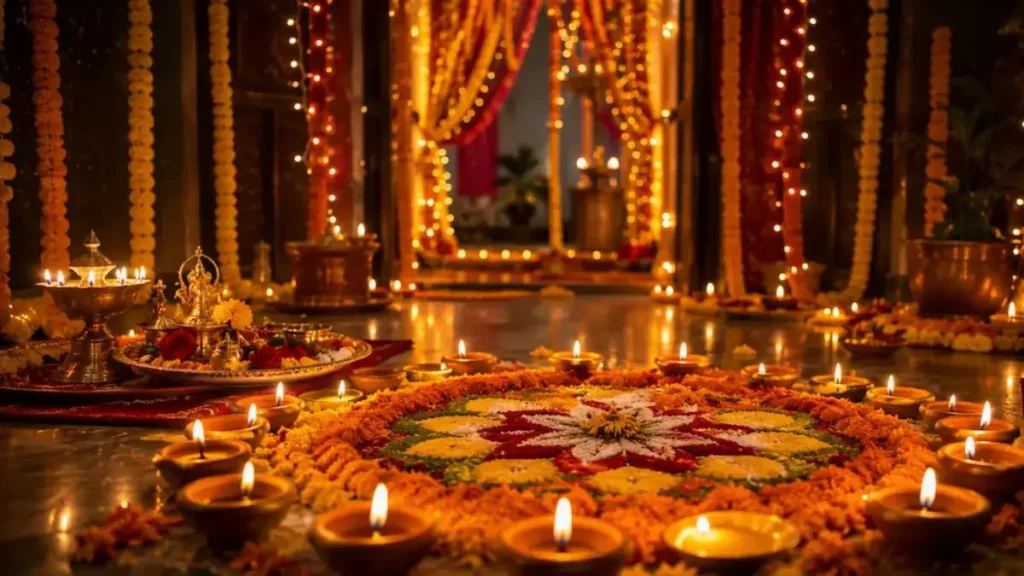
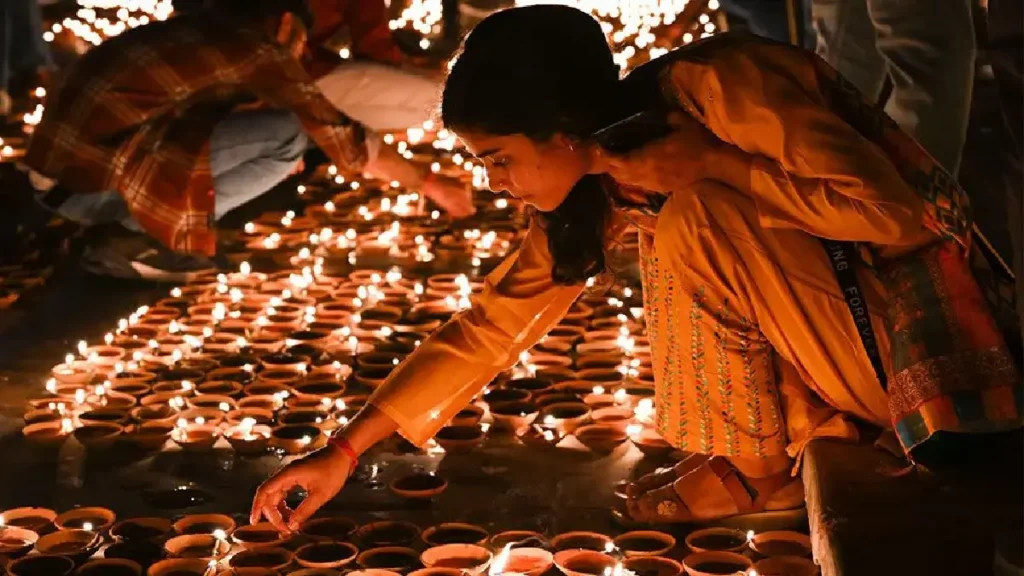
Lighting diyas. Small clay lamps filled with oil or ghee are placed around the home, at entrances, and on balconies. The light is believed to welcome prosperity and drive away negative energies.
Rangoli. Colorful patterns made from powder, flower petals, or rice flour are created on floors and courtyards. Rangoli designs vary by region and can range from simple geometric patterns to elaborate artistic compositions.
Decorating homes. Doorways are decorated with mango leaves, marigold garlands, and string lights. Some families create elaborate displays of diyas and candles.
Sweets and gifts. Exchanging sweets and gifts is a central part of Diwali. Popular sweets include ladoo, barfi, gulab jamun, and kaju katli. Gifts may include dry fruits, clothing, or household items.
Family gatherings. Diwali is a time for visiting relatives, sharing meals, and strengthening bonds.
Prayers. Pujas are performed at home and in temples. Many families visit temples during the festival period.
Fireworks. Firecrackers are traditionally burst on Diwali night, though this practice has declined in many areas due to environmental regulations and awareness.
A note on responsible celebration: Fireworks can contribute to air pollution and pose safety risks, particularly for children, the elderly, and pets. Many states and cities have restrictions on firecracker sales and use. Families are encouraged to follow local rules, keep water and first-aid nearby, and consider the impact on neighbors and animals.
Diwali 2026: What People Commonly Buy and Prepare
Preparations for Diwali often begin weeks in advance. Common purchases and preparations include:
- Diyas and candles for lighting
- Decorative lights and string lights
- Sweets and snacks for gifting and sharing
- Gifts for family, friends, and business associates
- Traditional clothing such as sarees, kurtas, and lehengas
- Puja items including kalash, incense, flowers, and idol decorations
- Home decor such as rangoli colors, torans (door hangings), and fresh flowers
- Gold, silver, and utensils on Dhanteras
- New account books for businesses
Many families also undertake a thorough cleaning of the home before Diwali, as cleanliness is considered auspicious and inviting for Lakshmi.
Diwali 2026 FAQs
When is Diwali in 2026?
Diwali 2026 is on Sunday, November 8, 2026.
What day is Diwali 2026?
Diwali 2026 falls on a Sunday.
Is Diwali on November 8, 2026?
Yes, the main Diwali day in India is November 8, 2026.
When is Lakshmi Puja in 2026?
Lakshmi Puja is performed on the evening of November 8, 2026. Muhurat timings vary by city.
When is Dhanteras in 2026?
Dhanteras 2026 is on Friday, November 6.
When is Choti Diwali in 2026?
Naraka Chaturdashi or Choti Diwali is generally observed on Saturday, November 7, 2026.
When is Govardhan Puja in 2026?
Govardhan Puja 2026 is on Tuesday, November 10.
When is Bhai Dooj in 2026?
Bhai Dooj 2026 is on Wednesday, November 11.
Why does Diwali change dates every year?
Diwali follows the Hindu lunisolar calendar and falls on Kartik Amavasya. Its Gregorian date shifts annually.
Is Diwali a public holiday in India?
Diwali is a gazetted holiday in many states. Holiday schedules vary by state, employer, and institution.
Is Diwali and Deepavali the same festival?
Yes. Diwali and Deepavali refer to the same festival. Deepavali is the preferred name in South India and in several diaspora communities.