




WASHINGTON — Iran has proposed a seven-day roadmap that could lead to the reopening of the Strait of Hormuz and a renewed round of negotiations with the United States, adding a new diplomatic dimension to the escalating tensions in the Middle East.
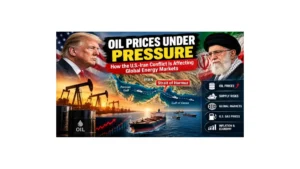


Iranian Foreign Minister Abbas Araghchi said Tehran has presented the proposal through intermediaries. Under the plan, the Strait of Hormuz could be reopened within seven days if certain conditions are met.
The proposal does not represent a final agreement between Washington and Tehran. The two sides still face significant disagreements over military activity, sanctions, shipping restrictions and Iran’s nuclear program.
What Is Iran’s 7-Day Plan?
According to Iranian officials, Tehran’s proposal would establish a seven-day process aimed at reducing hostilities and creating conditions for broader U.S.-Iran negotiations.
Under the proposal, the Strait of Hormuz would be reopened at the end of the seven-day period if the required conditions are fulfilled.
Iran has also linked the proposal to a possible restart of negotiations over its nuclear program.
The plan was delivered to the United States through intermediaries as diplomats from both countries continue efforts to find a possible path toward de-escalation.
However, Washington has not agreed to the proposal, and negotiations remain ongoing.
Why Is the Strait of Hormuz So Important?
The Strait of Hormuz is one of the world’s most important energy shipping routes.
Located between Iran and Oman, the narrow waterway connects the Persian Gulf with the Gulf of Oman and the Arabian Sea. Large volumes of crude oil, petroleum products and liquefied natural gas pass through the region.
Any prolonged disruption could affect global energy markets, shipping costs and fuel prices.
That is why developments around the Strait are being closely watched not only by the United States and Iran, but also by major energy-importing countries and international shipping companies.
What Is Iran Asking From the United States?
Iran’s proposal includes demands related to the military conflict, economic pressure and sanctions.
Reports on the proposal have pointed to issues including the lifting or easing of restrictions affecting Iran, changes to maritime pressure around the country and relief related to Iranian oil exports.
Iran has also called for negotiations over its nuclear program to resume.
These are Iranian negotiating positions, however, rather than terms that Washington has accepted.
The details of any potential agreement could change as negotiations continue.
What Does the U.S. Want?
For Washington, the Strait of Hormuz is closely tied to freedom of navigation and regional security.
The United States has also maintained pressure on Iran over its nuclear activities and other security issues.
A potential agreement would therefore have to address several separate disputes rather than simply the reopening of the waterway.
That makes the negotiations particularly complicated.
The two governments must determine what concessions, if any, each side is willing to make and how any agreement would be verified and implemented.
Could the Strait Really Reopen Within Seven Days?
Iran has proposed the seven-day timeline, but that does not mean the Strait will necessarily reopen within seven days.
First, Washington and Tehran would have to reach an understanding on the proposal’s conditions.
There would also be practical questions about how the agreement would be implemented, how commercial vessels would be protected and how both sides would respond to any violations.
The biggest challenge may be trust.
The United States and Iran have spent years at odds over sanctions, Iran’s nuclear program and regional security. Turning a diplomatic proposal into an operational agreement could therefore take longer than the proposed timeline.
What Happens to Oil Prices If Hormuz Reopens?
A reopening of the Strait could have significant implications for global energy markets.
If commercial shipping returns to a more normal pattern, concerns about supply disruptions could ease. That could reduce some of the risk premium built into oil prices during periods of heightened geopolitical tension.
But the market response would depend on several factors, including the actual level of shipping activity, the duration of the agreement and whether military tensions continue elsewhere in the region.
A temporary reopening would not necessarily eliminate the risk of another disruption.
Three Possible Paths Forward
Several outcomes are possible as Washington and Tehran continue their discussions.
1. A Temporary Agreement
The two sides could reach an interim arrangement that reduces military pressure and allows shipping through the Strait to resume.
2. Extended Negotiations
The parties could continue negotiating without reaching an immediate agreement, leaving the status of the Strait uncertain.
3. Talks Break Down
If the two sides fail to resolve their differences, tensions could remain elevated and the risk to regional shipping could continue.
At this stage, there is no confirmed indication that one particular outcome will occur.
What Happens Next?
The next major development will likely depend on Washington’s response to Tehran’s proposal and whether negotiators can agree on the conditions attached to the seven-day roadmap.
The Strait of Hormuz will remain a key focus because of its importance to global energy supplies and international shipping.
For now, Iran’s proposal represents an opening for diplomacy — not a completed agreement.
If the United States and Iran can reach an understanding, reopening the Strait could become one of the first concrete steps toward reducing the broader regional crisis.
But until the two governments agree on the details and begin implementing them, the seven-day timeline remains a proposal rather than a guaranteed outcome.