






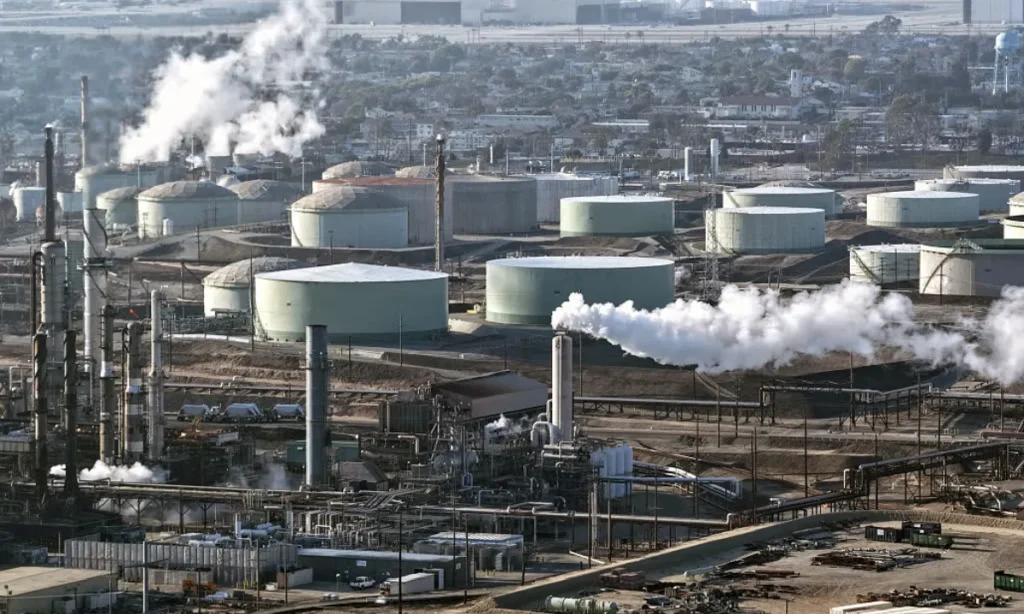
International oil prices Tumble as U.S. fell sharply on April 14, 2026, as news emerged that the United States and Iran are continuing to explore diplomatic channels despite the collapse of marathon talks in Islamabad over the weekend.




The development came as a U.S. naval blockade of Iranian ports remained in effect, creating a complex picture of both military pressure and diplomatic engagement.
West Texas Intermediate crude futures dropped more than 3% to around $96 per barrel during evening trading, while Brent crude fell approximately 2.7% to $96.65 per barrel, reversing some of the sharp gains seen earlier in the week.
President Donald Trump confirmed on April 14 that Iran had reached out to express interest in reaching an agreement, stating that Tehran “called us this morning” and indicated they “want to make a deal”.
According to reports, U.S. officials are now discussing the possibility of a second round of face-to-face negotiations, with Geneva and Islamabad both being considered as potential venues. The two sides may also consider extending the current two-week ceasefire beyond its scheduled expiration to allow more time for diplomatic efforts.
The diplomatic opening came just two days after the first direct U.S.-Iran talks in more than a decade ended without an agreement following more than 21 hours of negotiations in Islamabad, Pakistan.
Vice President JD Vance, who led the U.S. delegation, told reporters that Iran had rejected America’s “final and best offer,” particularly regarding demands that Tehran abandon any path to developing nuclear weapons. Iranian officials countered that “unreasonable U.S. demands” had prevented progress, though they acknowledged that diplomacy “never ends”.
Despite the renewed diplomatic signals, the U.S. naval blockade of Iranian ports remains fully in effect.
The U.S. Central Command announced that the blockade would be “impartially enforced against vessels of all nations” entering or leaving Iranian ports in the Gulf and Gulf of Oman.
At the same time, the U.S. clarified that the blockade “will not impede neutral passage through the Strait of Hormuz to or from non-Iranian destinations”. This dual approach—maintaining military pressure while keeping diplomatic channels open—reflects the Trump administration’s strategy to squeeze Iran’s oil revenues without triggering a broader escalation.
The Strait of Hormuz, through which approximately one-fifth of the world’s oil supply normally passes, has become the central theater of the economic conflict.
Iran has been selectively allowing passage—granting access to vessels from countries it considers friendly while denying it to others—in what analysts describe as a “dual blockade” strategy.
The U.S. response has been to interdict Iranian oil flows at sea, targeting the commercial transactions themselves rather than attempting to fully reopen the waterway. This has created a situation where Iranian oil that leaves port is no longer guaranteed to reach its destination.
International Energy Agency Director Fatih Birol warned on April 14 that the Middle East conflict has caused “the most serious global energy supply disruption in history,” with more than 80 oil and gas facilities damaged so far.
The IEA is assessing the situation and preparing to take action on further releases from strategic petroleum reserves if necessary. Meanwhile, analysts note that the current dual-blockade situation is not sustainable for any party, creating what some describe as a “narrow corridor for diplomacy” as pressure builds on all sides to find a negotiated solution.