






Washington, September 15, 2026 — President Donald Trump has sharply criticized the U.S. Supreme Court after the justices refused to allow his administration to put new restrictions on mail-in voting ahead of the 2026 midterm elections.




The Supreme Court’s decision on Monday left a lower-court order blocking the administration’s proposed U.S. Postal Service rules in place. The ruling means states can continue using their existing procedures for sending and processing mail ballots during this year’s elections.
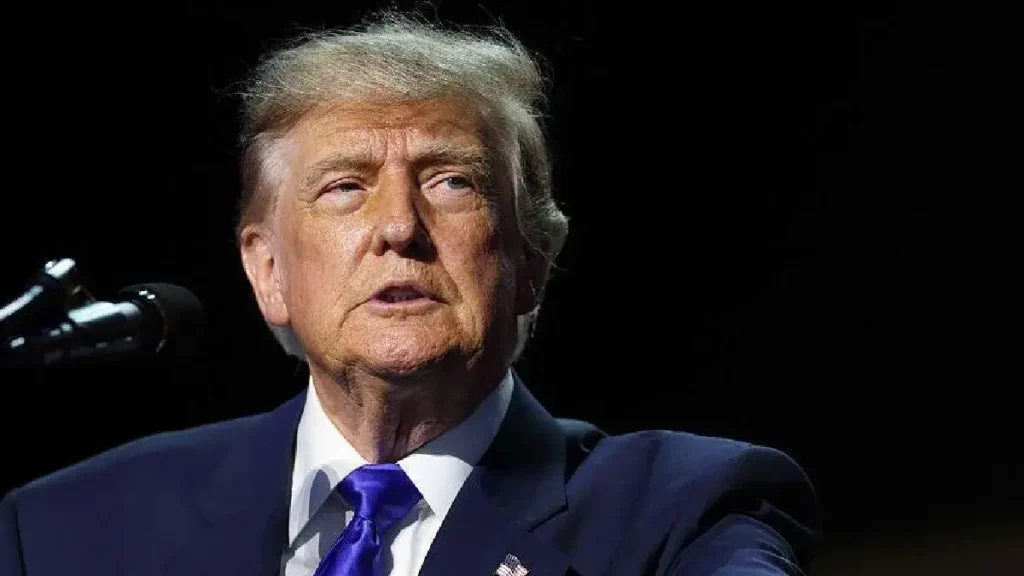
Trump responded forcefully on Tuesday, accusing the Supreme Court of making what he described as damaging decisions. He also criticized several justices he had nominated during his first presidency after they joined the majority in rejecting the administration’s request.
Supreme Court Rejects Trump’s Request
The dispute centers on a new Postal Service rule backed by the Trump administration. The proposed changes would have introduced additional requirements for election-related mail, including specific envelope features and information that states would have been required to provide to the Postal Service.
The administration argued that the changes were intended to strengthen election security and help address concerns surrounding mail-in voting.
However, states and election officials challenged the policy, arguing that implementing major changes so close to the November election could disrupt established voting procedures.
The Supreme Court ultimately declined to pause the lower court’s injunction. In its order, the Court said the government was unlikely to succeed on the merits of its challenge and that the circumstances did not justify emergency relief.
Why the Timing Became a Major Issue
The timing of the proposed changes became one of the central issues in the legal battle.
Some states had already begun preparing or sending mail ballots, while other jurisdictions were getting ready to start their election processes. Election administrators argued that introducing new federal requirements shortly before the November 3 midterm elections would leave them with too little time to make the necessary changes.
Justice Brett Kavanaugh agreed with the decision to leave the lower-court order in place, although his reasoning differed in part from the majority’s. He indicated that the Postal Service could have a reasonable argument regarding its authority but said applying the new rule during the 2026 election could be unlawful because state and local officials did not have enough time to implement it properly.
Trump Criticizes the Justices
Trump reacted angrily to the ruling on Tuesday.
In a social media post, the president accused the Supreme Court of making decisions that he believes are harmful to the country. He also singled out justices Neil Gorsuch, Amy Coney Barrett and Brett Kavanaugh, all of whom were nominated by Trump during his first term.
Trump questioned why justices he selected did not support his administration’s position in the mail-ballot dispute.
His reaction highlights the growing tension between the White House and the Supreme Court over election-related policies as the 2026 midterm elections approach.
What Happens to Mail Voting Now?
For the 2026 midterm elections, the existing mail-voting procedures remain in effect while the legal battle continues.
The Supreme Court’s latest action prevents the Postal Service from implementing the disputed restrictions at this stage. That means states can continue operating under their established systems rather than immediately adopting the new federal requirements.
The ruling is particularly significant because mail voting is widely used across the United States. Election officials in several states had warned that changing the system so close to Election Day could create confusion and potentially affect voters.
The Washington Post reported that roughly one-third of voters cast ballots by mail, underlining the scale of the potential impact of any last-minute changes.
A Bigger Election Battle
The mail-ballot dispute is part of a much broader fight over election administration in the United States.
Trump has repeatedly argued for tighter controls on mail voting, while critics of his proposals say election administration is primarily handled by states and that federal intervention could create unnecessary complications.
The Supreme Court’s latest decision does not necessarily resolve every legal question surrounding Trump’s broader election-related executive order. Instead, it prevents the disputed Postal Service rules from being implemented for the upcoming 2026 midterm elections while the underlying legal issues remain contested.
The ruling also comes at a critical moment. The November 3 midterm elections will determine control of both chambers of Congress, making voting rules a particularly sensitive political issue.
What the Ruling Means for Voters
For voters who plan to use mail ballots this year, the immediate effect is largely a continuation of existing procedures.
States are not being required to suddenly adopt the proposed federal changes. Election officials can continue following the systems already established for their jurisdictions.
That continuity was one of the main concerns raised by election administrators during the legal proceedings. They argued that changing ballot procedures close to an election could create logistical problems, particularly in states where voting by mail is heavily used.
The decision therefore represents a significant setback for Trump’s attempt to change mail-voting procedures before this year’s midterms.
The Road Ahead
The Supreme Court’s decision marks an important moment in the continuing legal fight over mail-in voting and federal authority over elections.
Trump has made election security and voting rules a major part of his political agenda, while states and voting-rights organizations have challenged several elements of his administration’s approach.
For now, the existing mail-ballot system will remain in place for the 2026 midterm elections. Whether the administration will continue pursuing broader changes after the election remains an open question.
With Election Day approaching, the conflict between federal election policy and state control is likely to remain one of the most closely watched political and legal stories in the United States.