







Evan, a sixth-grade student from Ross County, Ohio, has been hospitalized for weeks after contracting La Crosse virus, a rare mosquito-borne illness that caused encephalitis and seizures. His mother, Summer Rose, is sharing their story to warn other families about the dangers of the disease.




What Happened to the Ohio Sixth-Grader?
Evan started sixth grade this fall in Ohio, but instead of coming home with stories about his first day, he returned sick.
“He came home with a really bad headache,” his mother, Summer Rose, told WBNS-TV.
Over the following days, Evan’s condition deteriorated rapidly. He developed a high fever, and his speech became severely slurred.
“His speech was really slurred. He kind of sounded like he had had a stroke. That’s how bad his speech was,” Summer recalled.
Then came the seizures.
Delayed Diagnosis and Hospitalization
Over a three-week period, Summer took Evan to the hospital five times. Initially, doctors diagnosed him with laryngitis, but she was not convinced.
“They first had said that it was laryngitis. I did not believe that one bit,” she said.
After a day of antibiotics with no improvement, they returned to the hospital. Another day of different antibiotics followed, but Evan continued to worsen.
“I just knew something else was wrong,” Summer said.
A final spinal tap led to Evan’s diagnosis: La Crosse virus.
The Aftermath: Encephalitis and Long-Term Effects
The virus caused encephalitis, a swelling of the brain. Summer said Evan has developed white patches on his brain as a result of the infection.
“He’s going to have some speech therapies, and it could take six months, a year or longer for some of that to come back,” Summer told WBNS-TV from the hospital where Evan was still being treated.
“It’s been very emotional cause watching him have that was horrible,” Summer said. “I don’t ever want to see another kid go through something like this.”
What Is La Crosse Virus?
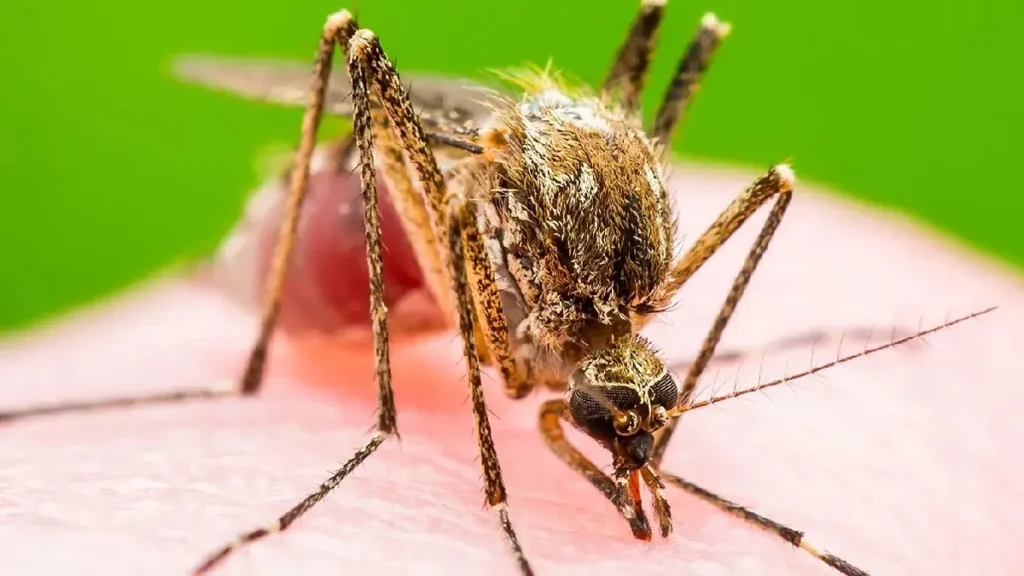
La Crosse virus (LACV) is a rare but serious mosquito-borne illness that belongs to the California group of viruses. The virus is spread primarily through the bite of the eastern treehole mosquito (Aedes triseriatus), an aggressive daytime biter commonly found in wooded areas.
According to the Ohio Department of Health, La Crosse virus is endemic in Ohio, and the state has reported more human cases than any other state in the United States, averaging about 20 cases per year.
Nationwide, between 50 to 150 cases are reported annually, primarily among children under the age of 16.
Where Is It Found?
In Ohio, the eastern treehole mosquito is most commonly found in eastern and southern areas of the state, where silver maple, oak, and beech tree forests provide appropriate breeding habitats. However, these mosquitoes can be found in suitable wooded areas throughout most of Ohio.
Transmission Cycle
The virus is maintained in a cycle between the eastern treehole mosquito and small mammals, particularly chipmunks and squirrels, which serve as amplifying hosts. Infected female mosquitoes can also transmit the virus to their eggs, allowing the virus to persist in an area for years.
Humans are incidental hosts, meaning they can become infected through the bite of an infected mosquito but do not typically contribute to the transmission cycle.
La Crosse Virus Symptoms
According to the Centers for Disease Control and Prevention (CDC) and the Ohio Department of Health, many people infected with La Crosse virus have no apparent symptoms. For those who do develop symptoms, the incubation period ranges from 5 to 15 days after the mosquito bite.
Common Symptoms
- Fever (usually lasting 2-3 days)
- Headache
- Nausea
- Vomiting
- Fatigue
- Lethargy (reduced activity or alertness)
Severe Disease Symptoms
Severe disease occurs most frequently in children under the age of 16 and is characterized by:
- High fever
- Headache
- Neck stiffness
- Stupor
- Disorientation
- Coma
- Seizures
- Muscle weakness
- Vision loss
- Numbness
- Paralysis
These severe symptoms are often associated with encephalitis, an inflammation of the brain. Death is rare, occurring in less than 1% of cases.
Severe La Crosse Virus and Encephalitis
Encephalitis is an inflammation of the brain that can be caused by viral infections, including La Crosse virus. When the virus crosses into the central nervous system, it can cause this serious condition.
According to Dr. Chris Ouellette, an infectious disease physician at Nationwide Children’s Hospital, “This virus likes to cause inflammation of the brain and also inflammation of the layers that surround the brain.”
In severe cases, the brain inflammation can lead to:
- Seizures
- Cognitive impairments
- Speech and behavioral problems
- Long-term neurological complications
Recovery time from severe illness varies, and some effects can persist over time, including recurrent seizures, thinking difficulties, and behavioral problems.
How Is La Crosse Virus Diagnosed?
Diagnosing La Crosse virus can be challenging because its symptoms often resemble other viral illnesses. The infection can only be diagnosed by a healthcare provider.
According to the Ohio Department of Health, a blood or cerebrospinal fluid (CSF) sample may be collected for laboratory testing. In Evan’s case, a spinal tap (also known as a lumbar puncture) was the test that ultimately confirmed his diagnosis.
Is There a Treatment or Vaccine for La Crosse Virus?
Currently, there are no specific antiviral treatments or vaccines available to prevent La Crosse virus.
Treatment Options
- Rest, fluids, and over-the-counter pain medications may help relieve mild symptoms.
- Supportive care for severe cases: Patients with severe disease, particularly those with encephalitis, often require hospitalization for:
- Breathing support
- Hydration
- Management of brain swelling
“Antibiotics do not treat viruses,” the CDC notes, emphasizing that supportive care is the primary approach for managing La Crosse virus infections.
How to Prevent La Crosse Virus
Since there is no vaccine or specific treatment, prevention is critical. The most effective way to prevent La Crosse virus is to avoid mosquito bites.
Use EPA-Registered Insect Repellent
Choose repellents containing one of the following active ingredients:
- DEET
- Picaridin
- IR3535
- Oil of lemon eucalyptus (PMD)
- 2-undecanone
Always follow the label instructions, especially when applying repellent to children.
Wear Protective Clothing
- Wear long-sleeved shirts and long pants when outdoors
- Consider permethrin-treated clothing and gear (permethrin should only be used on clothing, not on skin)
Protect Your Home
- Repair window and door screens to keep mosquitoes out
- Use air conditioning when possible
Eliminate Standing Water
Mosquitoes breed in standing water. Important steps include:
- Emptying, scrubbing, turning over, or discarding anything that holds water:
- Tires
- Buckets
- Toys
- Flowerpot saucers
- Tarps
- Clogged gutters
- Birdbaths
- Kiddie pools
Important: The mosquito that spreads La Crosse virus breeds in tree holes and small containers around wooded homes, making tire removal especially important for prevention.
Daytime Precautions
Unlike many mosquito-borne illnesses, the mosquito that primarily spreads La Crosse virus is an aggressive daytime biter. Children playing near wooded areas may need daytime protection.
The mosquito is most active during dawn and dusk, but can bite at any time during the day.
Why Ohio Is Relevant to La Crosse Virus
Ohio has a unique connection to La Crosse virus. According to the Ohio Department of Health:
- Ohio has reported more human cases of La Crosse virus than any other state in the United States.
- The state averages about 20 cases per year.
- In 2025, Ohio reported 53 cases of the illness.
- More than 90% of reported Ohio cases occur among children younger than 15 years old.
The virus has been tracked in Ohio since 1963, and the state’s wooded habitats provide ideal conditions for the eastern treehole mosquito.
Recent 2026 Cases
As of September 2026, cases have been reported in:
- Ross County (where Evan and his family live)
- Pickaway County
Dr. Chris Ouellette of Nationwide Children’s Hospital noted that Ohio was leading the nation in La Crosse virus cases in 2025, calling it “a busier year than what we’ve seen in other years” but noting that it was not outside the historical range.
When Should Parents Seek Medical Care?
Parents should seek urgent medical evaluation when a child develops serious or rapidly worsening symptoms, including:
- Severe headache that doesn’t improve
- High fever
- Confusion or disorientation
- Seizures
- Significant changes in speech or behavior
- Loss of consciousness
- Other serious neurological symptoms
The Carroll County General Health District emphasizes that anyone experiencing symptoms consistent with encephalitis, particularly children with neurological changes such as confusion, lethargy, or seizures, should seek medical care immediately.
What the Family Wants Other Parents to Know
Summer Rose is speaking out to raise awareness about La Crosse virus and help other parents protect their children.
“I would have never guessed a mosquito could cause something so horrible to watch him go through,” Summer told WBNS-TV.
Her message to other parents is clear: be aware of the disease and take mosquito-bite prevention seriously, especially for children playing outdoors in wooded areas.
“It’s been very emotional cause watching him have that was horrible,” she said. “I don’t ever want to see another kid go through something like this.”
Frequently Asked Questions
What is La Crosse virus?
La Crosse virus is a rare mosquito-borne illness that can cause inflammation of the brain (encephalitis). It is spread primarily by the eastern treehole mosquito (Aedes triseriatus).
How does La Crosse virus spread?
The virus is spread through the bite of an infected mosquito. It is not transmitted from person to person.
What are the symptoms of La Crosse virus?
Common symptoms include fever, headache, nausea, vomiting, and fatigue. Severe symptoms can include seizures, confusion, disorientation, and encephalitis.
Can La Crosse virus cause encephalitis?
Yes, La Crosse virus can cause encephalitis (inflammation of the brain). This occurs most frequently in children under the age of 16.
Are children more likely to develop severe La Crosse virus disease?
Yes, severe disease occurs most often among children less than 16 years old. In Ohio, more than 90% of reported cases occur in children younger than 15.
Is there a vaccine for La Crosse virus?
No, there is currently no vaccine available to prevent La Crosse virus.
Is there a treatment for La Crosse virus?
There is no specific antiviral treatment. Supportive care, including rest, fluids, and pain relief, is the primary approach. Severe cases may require hospitalization.
How can parents protect children from mosquito bites?
Use EPA-registered insect repellent, dress children in long sleeves and pants, repair window screens, and eliminate standing water around the home.
Is La Crosse virus common in Ohio?
Ohio leads the nation in reported La Crosse virus cases, averaging about 20 cases per year. In 2025, Ohio reported 53 cases.
When should a child with severe symptoms see a doctor?
Seek immediate medical care if a child develops severe headache, high fever, confusion, seizures, speech changes, or other serious neurological symptoms.