






If you spend most of your day on your feet — whether you’re a nurse finishing a 12-hour shift, a retail worker logging miles on hard floors, or someone who simply enjoys long daily walks — you already know that the wrong pair of shoes can turn a manageable day into an exhausting one. For people dealing with plantar fasciitis, arch discomfort, or persistent foot fatigue, the search for a supportive walking shoe can feel especially urgent.





This guide is designed to help you understand what features may make walking shoes more comfortable and supportive, and how to evaluate options available through Amazon and other retailers. It is not a medical guide, and no shoe can replace professional care. But understanding what to look for can make your shopping decisions more informed.
What Is Plantar Fasciitis?
Plantar fasciitis involves pain at the attachment of the plantar fascia — a thick band of tissue that runs along the bottom of your foot from the heel bone to the base of your toes — to the heel bone. The condition is one of the most common causes of heel pain in adults, and it most frequently affects people between 40 and 60 years of age, though it can occur at any age.
A hallmark symptom is pain that is worst with the first few steps out of bed in the morning or after periods of rest. The pain is typically felt at the bottom of the heel and may feel sharp, like a knife sticking into the foot, before fading into a dull ache after you have been walking for a while.
According to the BMJ Best Practice, the condition is usually self-limiting and often resolves within 6 to 18 months without treatment, though the discomfort can significantly affect daily life in the meantime. For people who stand or walk for long periods — nurses, teachers, retail employees, warehouse workers, and travelers among them — finding footwear that provides appropriate support may help reduce strain on the plantar fascia during daily activities.
Persistent, severe, or worsening foot pain should be evaluated by a qualified healthcare professional, such as a podiatrist, physical therapist, or physician.
What Should You Look for in Walking Shoes for Plantar Fasciitis?
When shopping for best walking shoes for plantar fasciitis, it helps to understand the specific features that may contribute to comfort and support. According to the Cleveland Clinic, footwear that offers cushioning plus heel and arch support may help relieve and manage symptoms.
Arch Support
Arch support refers to the construction inside a shoe that helps maintain the natural curve of your foot and prevents excessive rolling inward (overpronation) or outward (supination). For people with plantar fasciitis, adequate arch support is often recommended because it can help distribute weight more evenly and reduce tension on the plantar fascia. The level of support that feels comfortable varies — some people prefer firm, structured support, while others do better with a more moderate, flexible design.
Cushioning
Cushioning absorbs impact when your foot strikes the ground. A well-cushioned midsole may reduce the shock transmitted through the heel and foot during walking. Walking shoes typically offer more cushioning than running shoes, along with a bit more flex and blend to support a natural walking gait. A comfortable, cushioned insole is a key feature to look for.
Heel Support
A stable heel counter — the firm part at the back of the shoe that surrounds your heel — helps control side-to-side motion and keeps your foot properly positioned. Some walking shoes also feature a slightly thicker heel or a modest heel-to-toe drop (around 10 millimeters is often recommended), which can help reduce strain on the Achilles tendon and plantar fascia.
Firmness and Stability
Extremely soft footwear is not necessarily more comfortable for everyone. Podiatrists note that a high-quality supportive shoe should resist bending and twisting. One simple test: if the shoe folds like a taco when you bend it in the middle, it likely lacks the structural integrity to provide meaningful support. A shoe that stays relatively rigid when twisted, with a firm heel counter, may offer better stability.
Wide or Comfortable Toe Box
Adequate toe room allows your toes to spread naturally and prevents pressure points that can lead to discomfort over long periods. Shoes with a wide toe box are often recommended for people with foot conditions including plantar fasciitis, bunions, and hammertoes.
Heel-to-Toe Transition
The shape of the sole — particularly how smoothly the shoe transitions from heel strike to toe-off — can affect how a shoe feels during walking. Some shoes incorporate a mild rocker design or a slightly curved sole to ease this transition.
Flexible vs. Supportive Construction
There is a tradeoff between flexibility and support. Very flexible shoes may feel lightweight and natural, but they may not offer the structure that some people with foot discomfort prefer. More supportive shoes may feel stiffer at first but can provide stability over longer periods. The right balance depends on your individual needs and preferences.
Weight
Lighter shoes may reduce fatigue during long walks or shifts, but they are not automatically better. Some supportive features, such as a sturdy sole and firm heel counter, add weight. For people who stand for many hours, a shoe that feels balanced — supportive without feeling burdensome — is often ideal.
Breathability
If you wear your walking shoes for extended periods, breathable materials can help keep your feet dry and comfortable. Mesh and knit uppers are common in walking shoes because they promote airflow and reduce heat buildup.
Best Walking Shoes for People Who Stand All Day
Certain professions involve prolonged standing and walking on hard surfaces. Nurses, doctors, retail employees, teachers, hospitality workers, warehouse staff, travelers, and delivery workers may all benefit from shoes designed for sustained comfort.
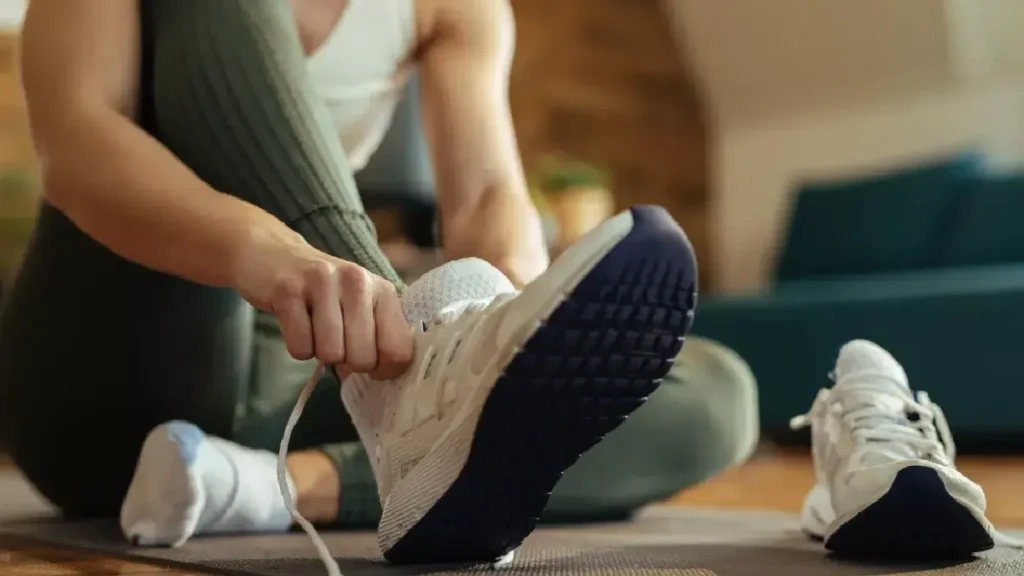
For these workers, the key considerations often include:
- Cushioning to absorb impact on hard floors
- Stability to support the foot during long periods of standing
- Grip to prevent slips, especially in environments where floors may be wet or uneven
- Breathability for comfort during long shifts
- Durability to withstand daily wear
- Easy cleaning for environments where hygiene matters
- Slip resistance where relevant to workplace safety
No single shoe is universally best for nurses or any other profession. The right choice depends on individual foot shape, workplace conditions, and personal comfort preferences.
Walking Shoes vs. Running Shoes
Walking shoes, running shoes, cross-training shoes, and casual sneakers are designed for different purposes. Walking shoes typically offer more cushioning and a slightly more flexible forefoot than running shoes, which are often built with a stiffer sole for forward propulsion. Cross-training shoes are designed for lateral movements and may be less cushioned for walking. Casual sneakers prioritize style and may lack the structural support of dedicated walking or running shoes.
Shoppers should choose based on their primary activity. If you mostly walk or stand, a walking shoe designed for those activities is generally the most appropriate starting point.
Amazon Walking Shoes Worth Considering
The following shoes are currently available on Amazon.in. Product specifications and prices are based on the most recent available information at the time of writing. Prices and availability can change frequently.
SHAPECRUNCH Women’s Arch Support Walking Shoes
Current Price: Approximately ₹2,374 (68% off list price of ₹7,500)
Key Features: Soft cushion insole with arch support, designed for walking and running
Cushioning: Soft cushioned insole
Arch Support: Orthopedic arch support insole
Upper Material: Not fully specified in available information
Best Use: Walking, running, daily wear for women seeking arch support
Potential Drawbacks: Some customer reviews mention the shoe can be heavy for all-day use, and one reviewer noted quality concerns
FitVille Extra Wide Walking Shoes for Men
Current Price: Not specified in available information
Key Features: Extra wide toe box, high instep design, PropelCore sole, non-slip outsole
Cushioning: Shock absorption pads, cushioned design
Arch Support: Designed with arch support for flat feet and plantar fasciitis
Upper Material: Suede and mesh fabric
Best Use: Men with wide feet, flat feet, or foot conditions requiring extra room
Potential Drawbacks: Some customers report the shoe is not as wide as expected and sizing may run small
ASIAN Style Walk-31 Women’s Walking Shoes
Current Price: ₹1,799
Key Features: Ultra-lightweight (400g), slip-on design, knit mesh upper, memory foam insole
Cushioning: Soft cushioned midsole with memory foam
Arch Support: Arch support built into the design
Upper Material: Breathable knit mesh
Best Use: Women seeking a lightweight, breathable walking shoe for daily use
Potential Drawbacks: Not water resistant; slip-on design may not suit everyone
Red Tape Walking Sports Shoes for Women
Current Price: Availability varies; may be out of stock
Key Features: Soft cushioned insole, slip-resistant, arch support, shock absorption
Cushioning: EVA + TPR + TPU sole for dynamic cushioning
Arch Support: Arch support included in design
Upper Material: Textile
Best Use: Women seeking an affordable walking shoe with support features
Potential Drawbacks: Availability may be limited; one customer review notes it is not lightweight
Cherokee Women’s Patricia Work Shoe
Current Price: Not specified in available information
Key Features: Slip-resistant sole, removable insoles, designed for healthcare and service environments
Cushioning: Not specified in available information
Arch Support: Not specified in available information
Upper Material: Not specified in available information
Best Use: Nurses and healthcare workers who need a work-appropriate shoe with slip resistance
Potential Drawbacks: Some reviews mention issues with the sole catching on carpet, and fit may run wide
KazarMax Women’s Cushioned Lightweight Clogs
Current Price: Not specified in available information
Key Features: Cushioned design, lightweight, grip sole
Cushioning: Cushioned for comfort
Arch Support: Not specified in available information
Upper Material: Not specified in available information
Best Use: People with heel pain from long standing hours
Potential Drawbacks: One reviewer notes durability concerns after several months of use
Product Comparison Table
| Shoe | Approximate Price | Cushioning | Arch Support | Stability | Best For |
|---|---|---|---|---|---|
| SHAPECRUNCH Women’s | ₹2,374 | Soft cushioned insole | Orthopedic arch support | Moderate | Women seeking arch support for walking/running |
| FitVille Extra Wide Men’s | Not specified | Shock absorption pads | Arch support for flat feet | High (wide base) | Men with wide feet or foot conditions |
| ASIAN Style Walk-31 | ₹1,799 | Memory foam midsole | Arch support | Moderate | Lightweight daily walking |
| Red Tape Women’s | Varies | EVA+TPR+TPU sole | Arch support | Moderate | Affordable walking support |
| Cherokee Patricia Work | Not specified | Not specified | Not specified | Slip-resistant | Nurses and healthcare workers |
How to Choose the Right Walking Shoe
Selecting the right walking shoe involves more than picking a size. Consider these factors:
- Foot length and width: Measure both feet, as they may differ slightly. Order for the larger foot.
- Arch shape: Know whether you have flat, neutral, or high arches, as this affects the type of support that may feel comfortable.
- Toe-box space: You should be able to wiggle your toes freely without pressure.
- Heel fit: The heel should feel secure without slipping.
- Cushioning preference: Some people prefer plush cushioning; others prefer firmer support.
- Walking surface: Consider whether you walk mostly on pavement, indoor floors, or uneven terrain.
- Daily walking distance and standing duration: Longer periods on your feet may call for more durable, supportive construction.
- Socks: Wear the socks you normally use when trying on shoes.
- Return policy: Check the return window and conditions before purchasing, especially online.
Sizing varies significantly between brands. Always consult the manufacturer’s size chart rather than assuming your usual size will fit across all brands.
How Should Walking Shoes Fit?
A well-fitting walking shoe should feel secure around the heel without slipping, allow adequate room in the toe box, and avoid pinching or pressure points anywhere on the foot. The arch support should feel comfortable, not intrusive. If a shoe causes immediate discomfort, it is likely not the right choice for you.
Both feet may not be exactly the same size. Always fit to the larger foot. Trying shoes later in the day can sometimes help account for normal foot swelling that occurs over the course of the day, though this is a general tip rather than a strict rule.
Are Expensive Walking Shoes Always Better?
Price alone does not determine comfort or suitability. A more expensive shoe may offer premium materials, advanced cushioning technology, or greater durability, but it may not fit your individual foot shape or support needs. A mid-priced shoe that fits well and provides the support you need may be a better choice than a high-end shoe that does not suit your feet.
How to Break in New Walking Shoes
New shoes, even well-fitting ones, may need a gradual introduction. Consider starting with shorter walks or wearing them around the house for a few hours before committing to a long shift or extended walk. Monitor for pressure points and discomfort. If a shoe causes significant or persistent discomfort, stop wearing it rather than trying to push through.
When Should You See a Doctor for Foot Pain?
While a supportive shoe may help manage daily comfort, it is not a substitute for professional medical evaluation. Consider consulting a qualified healthcare professional if:
- Pain is persistent or severe
- Symptoms are worsening over time
- Walking becomes difficult
- You experience significant swelling
- There is numbness or tingling
- You have sustained a foot injury
- Normal activities are affected
A healthcare provider can assess your specific situation and discuss appropriate options, which may include footwear recommendations, orthotics, stretching exercises, or other treatments.
Frequently Asked Questions
What are the best walking shoes for plantar fasciitis?
There is no single best shoe for everyone. Shoes that offer adequate cushioning, arch support, a stable heel counter, and a comfortable toe box are commonly recommended for people with plantar fasciitis. Options from brands like Hoka, Brooks, New Balance, and ASICS are frequently cited by podiatrists, but individual fit and comfort matter more than any specific brand.
Do walking shoes help with plantar fasciitis?
Walking shoes designed with cushioning and arch support may help reduce strain on the plantar fascia during daily activities. The Cleveland Clinic notes that footwear with cushioning plus heel and arch support can help relieve and manage symptoms. However, shoes are not a treatment for the underlying condition.
What type of shoe is best for arch support?
Shoes with a firm midsole, a stable heel counter, and built-in arch support are typically recommended. The specific level of support that feels best varies by individual. Podiatrists often suggest looking for shoes that keep the foot in a neutral position without excessive rolling inward or outward.
What shoes are good for nurses who stand all day?
Nurses often benefit from shoes with substantial cushioning, slip resistance, breathability, and durability. Work shoes designed for healthcare environments, such as those with slip-resistant outsoles and removable insoles, are common choices. Customer reviews for the Cherokee Patricia work shoe, for example, mention comfort during 12-hour shifts, though experiences vary.
Are cushioned shoes good for plantar fasciitis?
Cushioning can help absorb impact and may reduce discomfort for some people. Walking shoes generally offer more cushioning than running shoes. However, extremely soft shoes may not provide enough stability for everyone. A balance of cushioning and support is often preferred.
Should plantar fasciitis shoes have arch support?
Arch support is commonly recommended for people with plantar fasciitis because it can help distribute weight and reduce tension on the plantar fascia. The appropriate level of support depends on your foot type and comfort.
How should walking shoes fit?
Walking shoes should feel secure around the heel, allow room for your toes to move, and avoid pinching or pressure points. The arch support should feel comfortable. Fit to the larger foot and consult the brand’s size chart, as sizing varies.
Can the wrong shoes make foot discomfort worse?
Wearing shoes with inadequate support — such as flat sandals, flip-flops, or high heels — can potentially aggravate plantar fasciitis symptoms. If a shoe causes pain or discomfort, it is advisable to stop wearing it.
How often should walking shoes be replaced?
The lifespan of a walking shoe depends on usage, surface, and construction. For runners, podiatrists often recommend replacing shoes every 200–300 miles. For walkers, shoes may last longer, but you should replace them when the soles show significant wear, cushioning feels compressed, or support diminishes.
When should I see a doctor for foot pain?
See a healthcare professional if pain is persistent, severe, worsening, or interfering with normal activities. Other reasons include significant swelling, numbness, or injury.