







Halloween is a time for creativity and fun, but some costume choices can cause real harm. Costumes that rely on racial stereotypes, mock religious beliefs, make light of tragedies, or appropriate sacred cultural elements are widely considered offensive. In 2026, with heightened awareness of diversity and inclusion, understanding what makes a costume hurtful is more important than ever. This guide explains why certain costumes are problematic and offers practical advice for choosing a respectful and creative alternative.


Why Certain Halloween Costumes Are Considered Offensive
The debate over Halloween costumes isn’t about being “too politically correct.” It’s about recognizing that certain images and stereotypes can be deeply harmful to specific communities. A costume can be offensive for several reasons:
- Cultural Misrepresentation and Stereotyping: Many offensive costumes reduce complex, living cultures to a single, exaggerated stereotype. For example, dressing as a “geisha” or a “Native American” often involves wearing a caricatured version of traditional clothing that misrepresents its sacred or cultural significance. As one professor explains, problematic cultural appropriation is often a result of power imbalances in the United States.
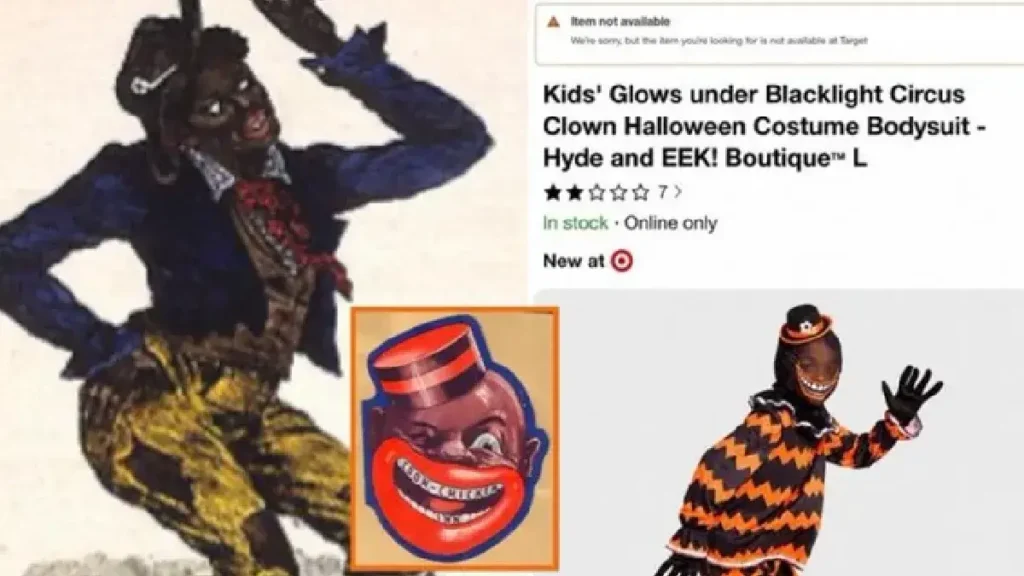
- Historical Trauma: Some costumes evoke painful histories of oppression and violence. Blackface is the most prominent example, as it directly echoes the racist “minstrel shows” of the 19th century that were used to dehumanize Black people.
- Mocking Real-World Suffering: Dressing as a homeless person, a refugee, or someone with a mental illness trivializes the severe challenges and systemic issues that real people face daily.
- Insensitivity to Tragedy: Costumes based on real-life tragedies, serial killers, or current events can be incredibly hurtful to victims, their families, and communities affected by those events. It treats serious suffering as a punchline.
Major Categories of Offensive Halloween Costumes to Avoid
1. Racial Stereotypes and Blackface
This is one of the most universally condemned costume categories. You should never use makeup to darken your skin, known as blackface or brownface. This practice has a long and violent history of mocking and dehumanizing people of color. Any costume that relies on over-exaggerated racial features or caricatures—whether intentional or not—is offensive. A recent controversy where Target removed a children’s clown costume due to its resemblance to racist minstrel-era imagery underscores the deep pain and backlash such designs can cause. The central question should always be: “Is my costume making someone else’s identity a punchline?”
2. Cultural Appropriation vs. Cultural Appreciation
A key concept to understand this Halloween is the difference between cultural appropriation and appreciation.
- Cultural Appropriation occurs when members of a dominant culture adopt elements of a minority culture in a way that is disrespectful, stereotypical, or strips the element of its original meaning. A common example is wearing a Native American war bonnet, a sacred item earned through acts of bravery, as a fashion accessory. This is particularly harmful when it reinforces power imbalances or misrepresents a living culture as a relic of the past.
- Cultural Appreciation involves respectfully learning about and engaging with another culture. This could mean celebrating the culture’s holidays with permission and guidance from its members, learning the language, or buying art directly from creators within that culture.
A good rule of thumb for a Halloween costume: if it’s a traditional garment or religious item from another culture, it’s probably not a costume for you.
3. Religious Insensitivity
Costumes that mock or trivialize religious symbols and figures can be deeply offensive to people of faith. This includes dressing as a “sexy nun,” a flippant “priest,” or using sacred objects from religions like Islam, Hinduism, or Judaism as accessories. For many, these are not just “costumes” but core to their identity and belief system.
4. Real-Life Tragedies and Serial Killers
Costumes based on notorious serial killers like Jeffrey Dahmer or on public figures involved in scandals (like the Depp-Heard trial) are often considered in extremely poor taste. These are real people, and their actions caused immense suffering. Similarly, making light of tragic events like school shootings, the deaths of celebrities, or geopolitical conflicts is not only insensitive but can be re-traumatizing for those directly affected.
5. Mental Health, Homelessness, and Disability
Costumes that make fun of individuals experiencing homelessness, mental health issues, or disabilities are cruel and dehumanizing. These are not “jokes”; they are real struggles faced by millions of people. Wearing a “straitjacket” or dressing as a “hobo” turns serious social issues into a source of entertainment, minimizing the dignity of those affected.
6. Mocking Ethnic or National Cultures
This category includes stereotypes like the “Mexican with a poncho and oversized mustache,” a “border patrol agent,” or an “illegal alien”. These costumes reduce entire groups of people to offensive clichés and can be particularly harmful in the current political climate. They fail to recognize the humanity and diversity within these communities.
How to Choose a Respectful Halloween Costume in 2026
Selecting a fun and creative costume without offending anyone is easier than you might think. Here are some tips:
- Be a Character, Not a Culture: Dress as a specific fictional character from a movie, book, or video game. Pop culture offers endless possibilities for creative and recognizable costumes.
- Get Inspired by Ideas, Not Identities: A pun-based costume, like a “cereal killer” (dressed as a chef with tiny cereal boxes), or a play on words is clever and harmless.
- Go Classic: Classic monsters like vampires, werewolves, zombies, or ghosts are timeless for a reason. They’re fun, recognizable, and don’t rely on offending anyone.
- Think Abstract: Concepts like “gravity,” “a tornado,” or “a black hole” can be turned into incredibly imaginative and conversation-starting costumes.
- Focus on “Scary,” Not “Stereotypical”: Halloween is about spooky fun. Focus on creating a scary persona (e.g., a terrifying doll, a creepy creature) rather than a “scary” or “funny” stereotype of a real group of people.
Halloween Costume Checklist: The “Am I Offending Someone?” Test
Before you buy or assemble your Halloween costume, run it through this simple checklist:
- Is the core idea of my costume based on a person’s race, ethnicity, or culture? If yes, it’s a red flag. Avoid it.
- Am I using makeup to change my skin color? This is a hard and fast rule: Never do this.
- Does my costume make light of a real-life tragedy, illness, or disability? If so, find a new idea.
- Would I be comfortable explaining my costume to someone from the group it represents? If the answer is no or you feel nervous, reconsider your choice.
- Is this a sacred cultural item or religious symbol being used as an accessory? If yes, it’s not a costume; it’s a sign of disrespect.
- Am I dressing as a “sexy” version of a historical figure, cultural icon, or profession? Often, this trivializes the subject. Think about whether it’s truly respectful.
- Does my costume rely on stereotypes (e.g., “lazy,” “greedy,” “criminal”)? If so, it’s offensive and should be avoided.
FAQs: Offensive Halloween Costumes
Q: What Halloween costumes are considered offensive?
A: Costumes that are widely considered offensive include those involving blackface or brownface, cultural stereotypes (like a “Native American” or “Geisha”), mocking religious figures, making light of real-life tragedies or serial killers, and trivializing serious issues like mental illness or homelessness.
Q: Is it offensive to dress as a character from another culture?
A: It depends. Dressing as a specific, fictional character (e.g., Black Panther, Moana) can be okay if done respectfully without altering your skin color. However, dressing as a generic, stereotypical member of that culture (a “sexy geisha” or “cowboy”) is considered offensive and is an example of cultural appropriation. Always ask: “Am I honoring a specific character, or am I making an entire culture my costume?”
Q: What’s the difference between cultural appropriation and cultural appreciation?
A: Cultural appropriation is when a dominant culture takes elements from a minority culture in a disrespectful way that often misrepresents or cheapens its significance. Cultural appreciation involves respectfully learning about a culture from its members, engaging with it on its own terms, and showing understanding and respect.
Q: Why is blackface always considered offensive?
A: Blackface has a direct and painful history dating back to 19th-century minstrel shows, where white performers used black makeup to portray Black people through degrading and racist stereotypes. Even if not intended to be racist, wearing blackface today is a reminder of this history of oppression and is universally condemned.
Q: Is dressing as a “sexy” version of something problematic?
A: Often, yes. A “sexy” version of a cultural figure, historical tragedy, or serious profession can trivialize the subject. For instance, a “sexy Handmaid” from The Handmaid’s Tale misses the point of the story, which is about oppression, not a fashion statement.
Q: Are there any costumes I should avoid that are specific to 2026?
A: Yes. Avoid costumes that make light of recent tragedies, political violence, or controversial figures that have been in the news. For example, costumes related to assassination attempts, highly publicized court cases, or geopolitical conflicts are considered insensitive and in poor taste.
Conclusion
Navigating Halloween costumes in 2026 is about balancing creativity with empathy. The goal is to have fun without causing harm. By avoiding costumes that rely on cultural stereotypes, racial caricatures (especially blackface), religious mockery, or real-life tragedy, you can ensure your celebration is inclusive and respectful. The best costumes are those that are clever and creative, not those that are hurtful to others. So this Halloween, show the world your creativity, not your ignorance.