





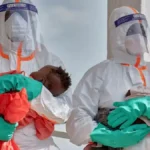

The United States has pledged an additional $267 million to help fight the 2026 Ebola outbreak in Central Africa, bringing the U.S. administration’s total commitment to the response to $886 million, according to U.S. officials cited by Reuters. The new funding was announced by the U.S. State Department on September 23, 2026, as international health authorities continue efforts to contain an outbreak centered on the Democratic Republic of the Congo (DRC).




The outbreak is caused by Bundibugyo virus, a species of Ebola that has created an additional challenge because there is currently no licensed vaccine specifically for Bundibugyo virus disease and no FDA-approved treatment specifically for this virus. WHO says the outbreak remains a Public Health Emergency of International Concern, while Africa CDC continues to describe the situation as a major continental public-health emergency requiring sustained response efforts.
The latest WHO situation report available in September said that, as of September 7, 2026, the DRC had reported 6,757 confirmed cases and 3,267 deaths, with cases reported across 61 health zones in six provinces. WHO also reported 20 confirmed cases in Uganda and one in France in the broader outbreak, although Uganda subsequently ended its outbreak response period after completing enhanced monitoring.
US Pledges Another $267 Million for Ebola Response
The additional U.S. commitment was announced on September 23 on the sidelines of the United Nations General Assembly in New York.
Reuters reported that the new $267 million pledge brings the Trump administration’s total commitment to the Ebola response to $886 million. That figure includes $107 million from the U.S. Department of Health and Human Services, alongside funding provided through the State Department.
The announcement comes as international donors are being asked to contribute toward a broader $2 billion funding target for the response, much of which is focused on the Democratic Republic of the Congo. U.S. officials said the American assistance is intended to help contain the outbreak at its source.
The funding is expected to support practical outbreak-control needs, including treatment facilities, diagnostic capacity and medical countermeasures for healthcare workers operating in affected areas.
It is important to distinguish between a funding pledge and money that has already been disbursed. A pledge represents a financial commitment; it does not necessarily mean that the entire amount has already reached health agencies, treatment centers or implementing partners.
That distinction is particularly relevant during a rapidly developing outbreak, when the speed at which funding is converted into frontline services can affect the response.
Africa CDC has also emphasized the importance of tracking how Ebola financing moves from donors through implementing organizations to frontline activities. On September 20, the agency called for faster and transparent delivery of newly pledged resources and said its financial tracking mechanism should help governments identify where money is being spent and where gaps remain.
Where Is the 2026 Ebola Outbreak Happening?
The main focus of the 2026 Ebola outbreak is the Democratic Republic of the Congo, particularly northeastern and eastern parts of the country.
The outbreak was officially declared in the DRC on May 15, 2026, after laboratory testing identified Bundibugyo virus in Ituri Province. WHO later reported geographic expansion into additional provinces and health zones.
As of September 7, WHO reported confirmed cases in six DRC provinces:
- Ituri
- North Kivu
- South Kivu
- Haut-Uélé
- Bas-Uélé
- Tshopo
A total of 61 health zones had reported cases by that date. Ituri remained the epicenter, while North Kivu had also become an important area of ongoing transmission.
Remote communities create particular challenges for outbreak teams. Poor road access, limited healthcare infrastructure, laboratory constraints and difficulties reaching communities can delay testing and treatment.
WHO has also highlighted insecurity, population displacement, crowded settlements and limited water, sanitation and hygiene services as factors complicating the response in some affected locations. These conditions can make surveillance, contact tracing and infection-prevention measures more difficult to implement consistently.
What Type of Ebola Virus Is Involved?
The outbreak involves Bundibugyo virus, which causes Bundibugyo virus disease (BVD).
Bundibugyo virus belongs to the broader group of viruses known as orthoebolaviruses. WHO identifies four species within this group that are known to cause human disease: Ebola virus, Bundibugyo virus, Sudan virus and Taï Forest virus.
Bundibugyo virus was first identified during an outbreak in Uganda in 2007. It has subsequently been detected in other outbreaks, including in the DRC.
The distinction between virus species is medically important. Treatments and vaccines developed for one Ebola virus species cannot automatically be assumed to work against another.
For example, the FDA-approved Ebola treatments Inmazeb and Ebanga are approved for Ebola disease caused by Orthoebolavirus zairense. CDC guidance states that their effectiveness has not been established for Bundibugyo virus.
This species-specific issue is one of the major medical challenges of the current outbreak.
How Serious Is the Ebola Outbreak?
The outbreak is substantial by historical standards.
According to WHO’s September 10 Disease Outbreak News report, the DRC had recorded 6,757 confirmed cases and 3,267 deaths as of September 7, producing a crude case-fatality ratio of about 48.3%. WHO also said 1,590 patients had recovered in the DRC by that date.
The figures should not be interpreted as a final mortality rate for every person infected. A crude case-fatality ratio is calculated from reported deaths and cases at a particular point in an outbreak, and the numbers can change as cases are diagnosed, patients recover and reporting systems are updated.
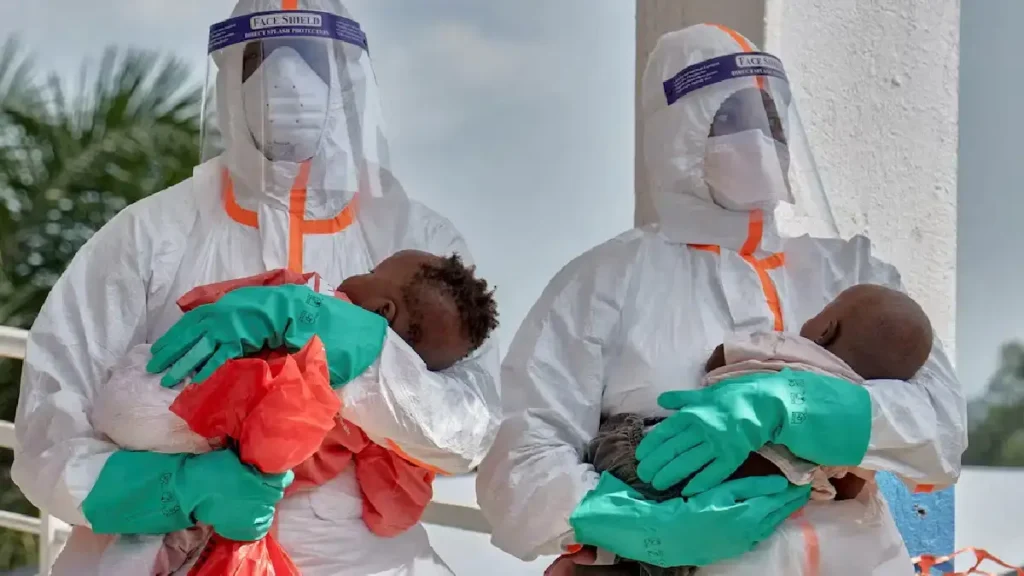
WHO also noted that some of the increase in reported cases reflected stronger surveillance, expanded laboratory testing, improved diagnostic capacity and reconciliation of previously unreported information. At the same time, the organization said continued growth reflected sustained transmission and geographic expansion.
Africa CDC’s September 17 assessment provided a more nuanced picture. The agency said some hotspots, including parts of Ituri, had seen declines in cases and deaths, but transmission remained active and some areas, particularly North Kivu, were experiencing increases. Africa CDC said the available evidence did not yet establish that the outbreak had reached its peak or that transmission had been sustainably interrupted.
What Is Ebola and How Does It Spread?
Ebola disease is a severe viral illness caused by viruses in the orthoebolavirus group.
Human-to-human transmission primarily occurs through direct contact with the blood or other bodily fluids of an infected person. Transmission can also occur through contaminated materials and during unsafe burial practices involving someone who died from the disease.
Healthcare workers can face elevated exposure risks when infection-prevention measures are inadequate.
Ebola is not considered a disease that spreads through ordinary casual contact in the same way as respiratory infections such as influenza. Risk is associated particularly with close contact with infected people, their bodily fluids or contaminated environments.
Africa CDC lists contact with infected animals, infected people’s bodily fluids, contaminated surfaces and unsafe burial practices among potential routes of transmission.
This is why outbreak response depends heavily on rapid identification of cases, isolation and treatment, contact tracing, appropriate protective equipment and safe and dignified burial procedures.
Ebola Symptoms and When They Appear
Symptoms of Ebola disease can include:
- Fever
- Severe headache
- Weakness and fatigue
- Muscle and body pain
- Sore throat
- Vomiting
- Diarrhea
- Abdominal pain
- Loss of appetite
- In some patients, unexplained bleeding or bruising
Africa CDC and WHO emphasize that symptoms can overlap with other diseases, meaning symptoms alone cannot establish an Ebola diagnosis. Laboratory testing and professional medical assessment are required.
CDC guidance says people returning from an area with an Ebola outbreak should monitor their health and seek medical care if symptoms develop. CDC’s general Ebola information uses a 21-day health-monitoring period following relevant exposure.
Anyone who believes they may have been exposed should follow current guidance from public-health authorities rather than attempting to diagnose or treat the illness independently.
How Is Ebola Treated?
Treatment for Bundibugyo virus disease presents a particular challenge because there are currently no FDA-approved therapeutics specifically for Bundibugyo virus.
Supportive medical care remains central. This can include management of fluids and electrolytes, monitoring vital functions, oxygen and blood-pressure support when needed, and treatment of complications or secondary infections.
CDC says early supportive care improves outcomes for people with Ebola disease.
At the same time, researchers are evaluating potential treatments specifically for Bundibugyo virus disease.
WHO reported that the PARTNERS clinical trial began enrolling patients in July 2026 to evaluate potential treatments for BVD. By early September, the trial had enrolled more than 300 confirmed cases across clinical management facilities in Ituri.
WHO previously identified several candidate therapies, including monoclonal antibodies and remdesivir, for evaluation in clinical trials. These should not be confused with established, licensed treatments for Bundibugyo virus disease.
Vaccines and Medical Countermeasures
Vaccination is another area where the current outbreak differs from outbreaks caused by the more common Ebola virus species.
There is currently no licensed vaccine specifically for Bundibugyo virus disease. WHO says Ervebo, the only licensed and WHO-prequalified Ebola vaccine, is specifically available for Ebola virus disease caused by Ebola virus, not Bundibugyo virus disease.
Scientists have investigated whether Ervebo might provide some cross-protection against Bundibugyo virus. However, WHO’s September guidance says available evidence is insufficient to determine whether it provides clinically meaningful protection in humans.
WHO therefore recommends that Ervebo be used against Bundibugyo virus disease only within research protocols.
At the same time, WHO reported that vaccination of healthcare and frontline workers was underway in the DRC under the research framework. As of September 6, more than 2,000 people had been vaccinated across six health zones in three provinces.
The vaccine situation illustrates why medical countermeasures must be evaluated according to the specific virus involved.
How the $267 Million Could Help
The new U.S. funding is intended to strengthen the frontline response rather than simply provide a general health budget.
Reuters reported that U.S. officials said the assistance would support efforts to contain the outbreak at its source, including building treatment facilities, diagnostics and medical countermeasures for health workers.
Those areas are part of a broader response system that includes:
- Laboratory testing
- Disease surveillance
- Case investigation
- Contact tracing
- Infection prevention and control
- Treatment capacity
- Healthcare-worker protection
- Logistics and supplies
- Community engagement
- Cross-border preparedness
The exact timing of disbursements and implementation will determine how quickly additional resources translate into frontline capacity.
Africa CDC has stressed that funding must be delivered rapidly and transparently, with governments able to track implementation and identify remaining gaps.
WHO and Africa CDC Response
WHO has been working with the DRC government and international partners on surveillance, laboratory testing, clinical preparedness, contact tracing, infection prevention, community engagement and cross-border preparedness.
WHO declared the outbreak a Public Health Emergency of International Concern (PHEIC) in May 2026 and maintained that classification after a subsequent review in August.
Africa CDC has taken a parallel continental coordination role.
On September 17, its Emergency Consultative Group recommended maintaining the agency’s Public Health Emergency of Continental Security designation. The group called for continued response intensity, stronger contact identification, improved surveillance and greater attention to community deaths.
Africa CDC also said response gains in some areas should not lead to premature relaxation of interventions because transmission remains uneven.
Uganda, which was also affected earlier in the outbreak, successfully ended its Ebola outbreak response after completing the required monitoring period. Africa CDC said Uganda’s outbreak ended on August 27.
Why Containing Ebola in Remote Areas Is Difficult
Containing Ebola requires much more than identifying infected people.
In remote parts of the DRC, response teams may face long travel times, limited roads, shortages of healthcare personnel and restricted laboratory access.
Insecurity and displacement can make those challenges more complicated. WHO has reported that some affected communities include mining areas, informal settlements and internally displaced populations where access to healthcare, water and sanitation can be limited.
Community trust is also critical.
People need to be willing to report illness, cooperate with contact tracing and accept appropriate care. Africa CDC has therefore emphasized community ownership rather than relying exclusively on top-down public-health messaging.
Funeral practices also require careful coordination. Safe and dignified burial procedures can reduce transmission while respecting families and communities.
Is Ebola a Risk to the United States?
For the U.S. public, the current official assessment remains reassuring.
The CDC said on September 15, 2026, that no cases of Ebola associated with this outbreak had been confirmed in the United States and that the overall risk to the American public and travelers remained low.
CDC’s September 11 situation update likewise said the likelihood of Ebola spreading to the United States was considered very low. It also noted that, even if a case were diagnosed in the country, the risk of further transmission would be low because of U.S. public-health and infection-control capabilities.
That assessment applies to the situation described by CDC at the time of publication and can change if the outbreak or international travel patterns change.
For travelers, the relevant risk depends heavily on where they travel and whether they have contact with infected people or healthcare settings. Travelers should check current CDC guidance before visiting affected areas.
Is Ebola a Global Pandemic Risk?
The 2026 outbreak is an international public-health emergency, but that does not mean that Ebola is currently spreading globally as a pandemic.
WHO’s PHEIC designation reflects concern about the outbreak’s severity and potential for international spread. It is not the same as declaring a global pandemic.
The outbreak has had confirmed cases outside the DRC, including cases in Uganda and one in France, while some DRC patients were treated in Germany. WHO has continued to emphasize cross-border surveillance because international movement can facilitate exportation and importation of cases.
At the same time, CDC’s current assessment is that the risk to the U.S. public remains low.
Health authorities continue to monitor geographic expansion, international travel, new cases, contact tracing and the effectiveness of containment measures. These indicators are more useful for assessing the outbreak than speculation about whether it will become a global pandemic.
Why International Funding Matters
Ebola response requires coordinated investment because containment depends on multiple systems operating simultaneously.
A treatment center cannot function effectively without trained personnel, diagnostic testing, protective equipment, laboratory networks, transportation and community cooperation.
Similarly, contact tracing is less effective when communities cannot be reached or when contacts cannot be monitored.
The U.S. pledge therefore forms part of a much larger international response. Reuters reported that donors were being asked to contribute toward a $2 billion response target focused largely on the DRC.
Africa CDC has also stressed that international assistance should strengthen national and regional health systems rather than operate separately from them.
The goal is not simply to finance an emergency response, but to ensure that resources reach the places where infections are being detected and treated.
What Happens Next?
The immediate priority remains interrupting chains of transmission.
Official response plans emphasize finding cases quickly, testing suspected infections, identifying and monitoring contacts, providing early supportive care and strengthening infection-prevention measures.
WHO is also supporting clinical research into potential treatments and evaluating vaccine strategies for Bundibugyo virus disease.
Africa CDC has called for intensified surveillance in affected and re-emerging health zones, stronger contact identification and improved data quality.
The September 17 Africa CDC assessment also warned against interpreting temporary declines in some areas as proof that the outbreak has been contained. Transmission remains uneven, with particular concern around North Kivu.
The effectiveness of the response will therefore depend on whether gains in individual locations can be sustained across the wider affected region.
2026 Ebola Outbreak Timeline
May 5 — Outbreak alert: WHO was alerted to a high-mortality illness cluster in Mongbwalu Health Zone in Ituri Province, DRC.
May 15 — Virus identified: Laboratory testing confirmed Bundibugyo virus, and the DRC officially declared its 17th Ebola outbreak.
May 2026 — International response expands: WHO and CDC began coordinating expanded surveillance, laboratory testing, clinical preparedness and cross-border measures.
July 2 — Treatment research begins: The PARTNERS clinical trial began enrolling patients to evaluate potential treatments for Bundibugyo virus disease.
August 18 — WHO emergency review: WHO’s Emergency Committee reviewed the outbreak and maintained the international emergency designation.
August 27 — Vaccination research expands: Ervebo vaccination of healthcare and frontline workers began in some DRC locations as part of research into its possible protection against Bundibugyo virus.
September 7 — Latest WHO case snapshot: DRC reported 6,757 confirmed cases and 3,267 deaths, according to WHO’s September 10 report.
September 17 — Africa CDC assessment: The agency reported progress in some hotspots but said transmission remained active and uneven.
September 23 — U.S. announces new funding: The United States pledged another $267 million, taking its total commitment to $886 million.
Key Takeaways
- The United States announced an additional $267 million for the Ebola response on September 23, 2026.
- The new pledge brings the U.S. administration’s reported total commitment to $886 million.
- The main outbreak is in the Democratic Republic of the Congo, particularly northeastern and eastern regions.
- The outbreak is caused by Bundibugyo virus, not the Ebola virus species for which Ervebo, Inmazeb and Ebanga are specifically approved.
- As of September 7, WHO reported 6,757 confirmed cases and 3,267 deaths in the DRC.
- WHO continues to classify the outbreak as a Public Health Emergency of International Concern.
- Africa CDC says transmission remains uneven and the response should not be scaled back prematurely.
- There is currently no licensed vaccine specifically for Bundibugyo virus disease.
- CDC said on September 15 that no cases linked to this outbreak had been confirmed in the United States and that the risk to Americans and travelers remained low.
Frequently Asked Questions
What is the latest Ebola outbreak in Africa?
The current major Ebola outbreak is caused by Bundibugyo virus and is centered in the Democratic Republic of the Congo. WHO reported 6,757 confirmed cases and 3,267 deaths in the DRC as of September 7, 2026. The outbreak has expanded across multiple provinces and health zones, although transmission is not uniform. Africa CDC said some hotspots have improved while others, particularly North Kivu, continue to report increases.
Where is the 2026 Ebola outbreak happening?
The outbreak is primarily occurring in the Democratic Republic of the Congo. WHO reported cases across six provinces as of September 7: Ituri, North Kivu, South Kivu, Haut-Uélé, Bas-Uélé and Tshopo. Ituri has remained the epicenter. Earlier in the outbreak, Uganda also recorded cases, but Africa CDC said Uganda ended its outbreak response on August 27 after completing the required monitoring period.
How much money has the US pledged to fight Ebola?
The United States pledged an additional $267 million on September 23, 2026. Reuters reported that the new commitment brought the Trump administration’s total contribution to $886 million, including $107 million from the Department of Health and Human Services in addition to State Department funding. The latest pledge is intended to support efforts including treatment capacity, diagnostics and medical countermeasures for frontline health workers.
What is Bundibugyo virus?
Bundibugyo virus is an orthoebolavirus that causes Bundibugyo virus disease, a form of Ebola disease. It is genetically and biologically distinct from Ebola virus, the species responsible for many historically prominent Ebola outbreaks. That distinction matters because vaccines and therapeutics developed for one virus species may not work against another. WHO says there is currently no licensed vaccine specifically for Bundibugyo virus disease.
How does Ebola spread?
Ebola can spread through direct contact with infected people’s blood or other bodily fluids. Transmission can also occur through contaminated materials and unsafe burial practices. Healthcare workers can be exposed when appropriate infection-prevention measures are not followed. The virus is not considered to spread through ordinary casual everyday contact in the same manner as common respiratory infections. Rapid identification, isolation, testing, contact tracing and safe care are central to controlling transmission.
What are the symptoms of Ebola?
Common symptoms can include fever, severe headache, weakness, fatigue, muscle and body pain, sore throat, vomiting, diarrhea, abdominal pain and loss of appetite. Some patients may develop unexplained bleeding or bruising. These symptoms can occur with many other illnesses, so symptoms alone cannot confirm Ebola. People who may have been exposed should follow public-health guidance and seek appropriate medical evaluation rather than attempting to self-diagnose.
Is there a vaccine for Ebola?
There is a licensed Ebola vaccine called Ervebo, but it is specifically licensed for Ebola disease caused by Ebola virus, not Bundibugyo virus. WHO says evidence is currently insufficient to determine whether Ervebo provides meaningful protection against Bundibugyo virus in humans. Therefore, WHO recommends its use against Bundibugyo virus disease only within research protocols while studies continue. No vaccine is currently licensed specifically for Bundibugyo virus disease.
Is Ebola spreading to the United States?
As of September 15, 2026, CDC said no Ebola cases associated with the current outbreak had been confirmed in the United States. The agency said the overall risk to the American public and travelers remained low. CDC continues to monitor the outbreak and international travel. That assessment reflects the situation at the time of the agency’s update and could change if the epidemiological situation changes.
Can Ebola be treated?
Supportive medical care is important for Ebola patients and can improve the chance of survival. It may involve managing fluids and electrolytes, monitoring vital functions and treating complications. For Bundibugyo virus disease specifically, there are currently no FDA-approved treatments. Researchers are evaluating candidate therapies in clinical trials, including the WHO-supported PARTNERS trial. Treatments approved for Ebola virus disease caused by Orthoebolavirus zairense should not automatically be described as approved treatments for Bundibugyo virus disease.
Is the 2026 Ebola outbreak a global pandemic?
The 2026 outbreak is an international public-health emergency, but that does not mean it is currently classified as a global pandemic. WHO has designated the outbreak a Public Health Emergency of International Concern because of its severity and potential for international spread. At the same time, CDC says the risk to the U.S. public remains low. Health agencies continue monitoring transmission, geographic expansion, international travel and containment measures.